Industrial AI Process engineering Field delivery

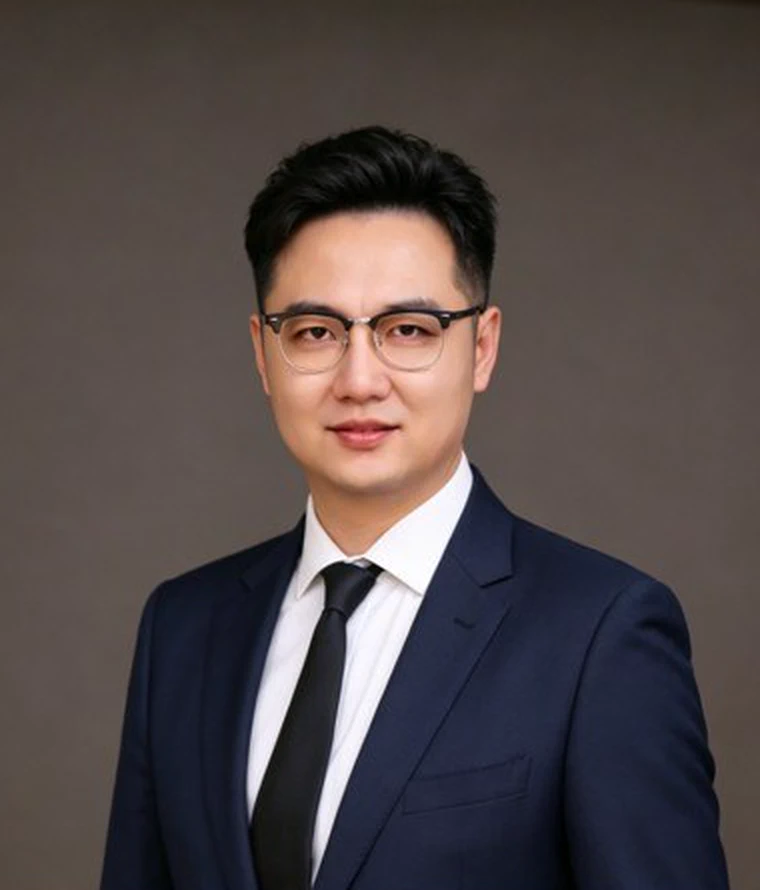
ReyMao

I spent 15 years making industrial systems work. Now I build AI tools that respect how the floor actually runs.

ReyMao, an industrial AI builder and process engineer
15+

Years across chemical production, environmental process design, commissioning, and industrial AI

7%-20%

Energy savings delivered on an AI retrofit for automotive exhaust-control equipment

RMB 100M+

Combined scale of representative engineering projects

Industrial AI has to prove itself on the floor.

A useful recommendation must fit the process, protect the equipment, respect emissions limits, and survive real operators and real shifts.

Turning operating data into energy savings people could verify

At Zhiyan Environment, I led an AI energy-saving retrofit for exhaust-control equipment at an automotive assembly plant. We combined process knowledge, equipment limits, and operating data, then checked every recommendation against stability, emissions, and what the crew could actually execute. The project delivered about 7%-20% energy savings.

Automotive manufacturing Exhaust-control systems Human in the loop
01 Sense the data

Bring together operating history, alarms, maintenance records, and the signals the process already trusts.

02 Understand the condition

Read the numbers in the context of process limits, equipment capacity, quality, safety, and emissions.

03 Support the decision

Make the recommendation specific: which parameter, under what condition, within what safe range, and why.

04 Verify and learn

Let the engineer confirm the action, record the result, and feed what happened back into the next decision.
Open-source AI workflow

ark-nuwa-desktop

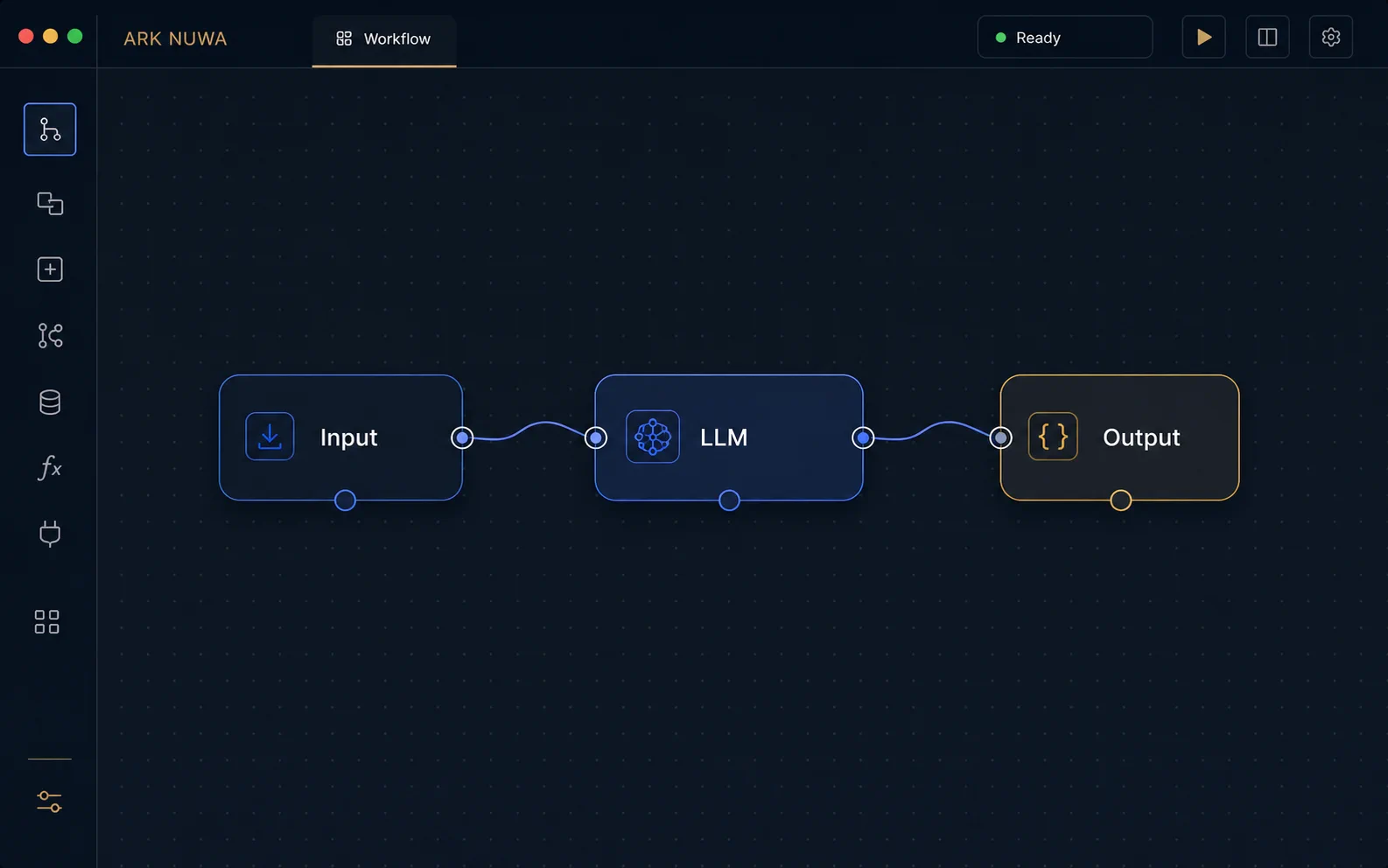
I wanted a visual way to turn an AI idea into a workflow someone else could inspect and reuse. The result is a desktop engine for Ark and Anthropic models, with DAG orchestration in YAML or JSON.

Rust, TypeScript, Tauri

View on GitHub
ark-nuwa-desktop workflow showing connected input, model, and output nodes
A workflow inside ark-nuwa-desktop.

nuwa-ppt-generation

AI presentation tool

An SVG-first content tool with a cross-platform CLI and native PPTX export. It turns an agent workflow into a file people can still open and edit.

View on GitHub

nvwa-orchestrator

AI video localization

A seven-stage local pipeline for video inspection, audio extraction, ASR, translation, TTS, mixing, and subtitles. Each stage leaves something that can be checked.

View on GitHub

I did not come to AI through a dashboard. I came through the plant gate.

My first tools were process drawings, operating records, and the conversations you have when a piece of equipment refuses to behave. I worked in chemical production, designed environmental systems, and spent years commissioning exhaust-control equipment in automotive plants.

That background shapes how I build AI. I do not start by asking which model is newest. I start with the process, the decision someone has to make, the limits the equipment cannot cross, and the evidence that will tell us whether the change helped.

I now write mostly in TypeScript, Python, and Rust. The software is newer, but the working habit is familiar: understand the system, make the next step clear, test it under real constraints, and leave the result easier for the next person to use.

  • Process and environmental systems Exhaust treatment, PFD and P&ID, material balance, equipment selection, and piping layout
  • Commissioning and troubleshooting RTO, TO, SCR, zeolite concentrators, direct-fired systems, scrubbers, LPX, controls, and handover
  • AI and software Agent workflows, TypeScript, Python, Rust, React, Tauri, Ark, Anthropic, YAML, JSON, and DAGs
  • Projects and collaboration Full project cycles, cross-cultural teams, supplier coordination, technical standards, and field delivery

I start with the process, not the model.

The goal is not another report. It is a decision an engineer can understand, check, and safely use.

Understand the real condition

A data point means very little on its own. I connect it with process intent, equipment state, alarms, maintenance history, and what changed on that shift.

Keep the engineer in the loop

The model can suggest. The engineer decides. A recommendation should name the parameter, the operating condition, the safe range, and the likely effect before anyone acts.

Make the reasoning traceable

PFDs, P&IDs, equipment lists, control descriptions, and commissioning records already contain years of hard-won knowledge. I turn that material into something searchable and easier to reuse.

Verify what happened

After a change, I look at energy, stability, emissions, quality, and operator feedback together. If the result cannot be checked, it is not a closed loop yet.

The road to industrial AI was built one plant at a time.

Each role added another part of the same system: process, equipment, controls, delivery, data, and finally software.

Now

Building industrial AI products

Independent

Building open-source workflows and local automation tools, while carrying field constraints into product decisions from the beginning.

2023.05 - 2025.05

AI Applications Manager

Zhiyan Environment, Shanghai

Led an AI energy-saving retrofit for automotive exhaust-control equipment, from scenario definition and data preparation through engineering validation and field delivery.

2018.06 - 2023.05

CTS Commissioning Engineer

Dürr

Worked across zeolite concentrators, RTO, TO, SCR, direct-fired systems, scrubbers, and LPX. I handled design reviews, control logic, commissioning, troubleshooting, acceptance, and handover.

2015.10 - 2018.05

Process Design Engineer

Shangding Environmental Technology, Yangzhou

Designed activated-carbon regeneration and exhaust-treatment systems, including material balances, P&IDs, layouts, equipment selection, piping, commissioning, and acceptance.

2010.10 - 2015.06

Process Technician

Yangnong Chemical, Yangzhou

Worked on environmental monitoring, process control points, optimization, plant modifications, trial runs, and wastewater and exhaust issues. This is where I learned to read a process from the floor up.

Education: Zhejiang Sci-Tech University, Bachelor of Applied Chemistry, 2006-2010

Working on a hard industrial problem?

Tell me what is happening in the process, where the current approach gets stuck, and what a useful result would look like. Email is the best place to start.